Pain is not just a symptom, it is an experience that reshapes how people move, sleep, relate to others, and plan their days. The job of a pain management clinic doctor is to translate that experience into a precise diagnosis, then map out a treatment plan that fits your life as well as your medical needs. A good plan recognizes that pain has biology and biography, nerves and narrative. That is why the best pain management physician does more than prescribe pills or perform procedures. They orchestrate care, measure progress, and adjust quickly when your body or your goals change.
What a pain management doctor actually does
A pain management specialist is a physician trained to diagnose the source of pain and provide a spectrum of treatments that range from conservative measures to interventional procedures. Many come from anesthesiology, physical medicine and rehabilitation, neurology, or psychiatry, then complete fellowship training in pain medicine. When you see board certified pain management doctors listed at a practice, it means they have passed rigorous exams and maintain continuing education in pain medicine.
In daily clinic life, a pain management MD toggles between detective and craftsman. They parse imaging and exam findings, then select specific techniques like epidural steroid injections for disc-related inflammation, radiofrequency ablation for facet-related back pain, or peripheral nerve blocks for targeted neuropathic pain. They also coordinate with physical therapists, psychologists, and surgeons. This is why a multidisciplinary pain management doctor is often the ideal point person for complex cases. The best pain management doctor is not the one with the biggest toolbox, but the one who knows which tool to use, at what dose, and when to stop.
When it makes sense to see a pain treatment doctor
Primary care is a good first stop for new pain. But if pain persists beyond six to twelve weeks, escalates without explanation, or interferes with work, sleep, or rehabilitation after injury or surgery, a pain management consultation doctor can help. I often see three broad groups:
- People with chronic back pain, neck pain, or sciatica who need a clear diagnosis and targeted plan. People with neuropathic pain, migraines, complex regional pain syndrome, or fibromyalgia who need layered treatments and careful titration of medications. People with joint pain or arthritis seeking non surgical pain management options to delay or avoid joint replacement.
If you are searching for a pain management doctor near me, focus on physicians who treat conditions like radiculopathy, herniated disc, pinched nerve, spinal stenosis, sacroiliac joint dysfunction, occipital neuralgia, or peripheral neuropathy, depending on your symptoms. Matching the clinic’s strengths to your problem is half the battle.
The first visit: what to expect from a pain management evaluation doctor
A thorough evaluation rarely looks like a five minute prescription refill. It starts with a structured history that covers onset, location, radiation, character of pain, aggravating and relieving factors, previous therapies, sleep quality, mood, workplace demands, and any red flags such as fevers, weight loss, or weakness. Expect the physician to ask about prior imaging and surgeries, and to review Clifton pain management doctor metropaincenters.com medication histories including or excluding opioids.
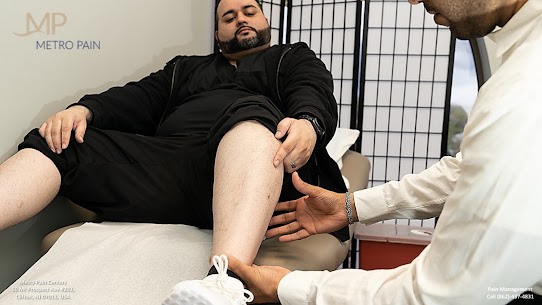
The physical exam is hands-on and focused. In spine pain, I examine posture, gait, lumbar and cervical range of motion, strength, reflexes, and sensory changes. I palpate specific structures like facet joints, sacroiliac joints, and paraspinal muscles. Positive straight leg raise with dermatomal numbness tells one story, while facet loading pain that worsens with extension tells another. For shoulder or knee pain, we check stability, alignment, and specific maneuvers like Hawkins-Kennedy for impingement or McMurray’s for meniscal pathology. Headaches get a cranial nerve exam, cervical assessment, and screening for red flags such as thunderclap onset.
Imaging is not a reflex. MRIs are useful when there are neurologic deficits, suspected infection, trauma, or pain persisting beyond a period of conservative care. Electromyography can disentangle peripheral neuropathy from radiculopathy. Ultrasound helps evaluate soft tissue sources, guiding injections with real-time precision.
By the end of a first visit, a pain management expert should offer a working diagnosis, a phased plan, and timelines to judge response. The plan often includes home exercises, physical therapy, non-opioid medications, targeted procedures if indicated, and strategies to protect sleep and mood.
Crafting the plan: how tailored pain care is built
A comprehensive pain management doctor thinks in layers. Imagine the plan as a scaffold, not a single pillar. For back pain, the first layer may include education on load management, gentle mobility, and anti inflammatory strategies. The second layer might involve a pain management injections doctor performing a diagnostic medial branch block to test if the facet joints are the pain source. If that provides at least 50 to 80 percent relief, moving toward radiofrequency ablation becomes reasonable. Meanwhile, a non opioid pain management doctor might use agents like acetaminophen, topical NSAIDs, or duloxetine, depending on the pain type and comorbidities.
Tailoring is not just about anatomy. It accounts for your schedule, insurance, fears, and goals. A parent who lifts a toddler all day needs different movement coaching than a desk worker with sedentary posture. An athlete rehabbing a herniated disc might accept short term downtime for an epidural injection to accelerate return to sport, while an older adult might prioritize walking tolerance over heavy lifting. The pain management consultant’s job is to align the pathway with your life.
Interventional options, when and why
Interventional pain management is not a last resort. When applied at the right time, it can shorten the trajectory of disability, reduce reliance on medications, and sharpen the diagnosis.
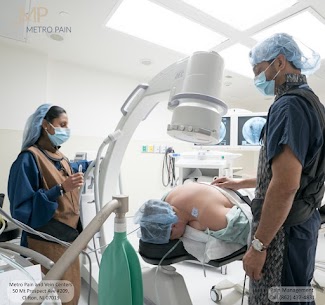
Epidural steroid injections, delivered with fluoroscopic guidance, can calm inflamed nerve roots in disc herniation or spinal stenosis. Good candidates typically have leg pain that exceeds back pain, with MRI evidence of nerve compression and exam findings that match the level. I counsel patients that relief lasts weeks to months on average, occasionally longer, and may need one to three injections spaced out over several weeks. An epidural injection pain doctor should explain risks, which include bleeding, infection, steroid side effects, and rare nerve injury, and set appropriate expectations.
Nerve blocks and radiofrequency ablation work best when we are treating facet joint pain or certain peripheral neuralgias. For lumbar facet pain, we start with two sets of diagnostic medial branch blocks on different days to confirm the target nerves. If both produce significant relief, radiofrequency ablation can denervate those nerves and often yields six to twelve months of benefit, sometimes longer. A radiofrequency ablation pain doctor will emphasize that nerves can regenerate, so the effect is temporary, but the functional gains during that window can be meaningful.
For sacroiliac joint pain, image guided SI joint injections can help both diagnostically and therapeutically. For greater trochanteric pain syndrome, ultrasound-guided peritendinous injections improve accuracy and reduce risk compared with blind injections. A spinal injection pain doctor uses imaging not to show off technology but to improve safety and reproducibility.
Headaches and migraines require a different interventional toolkit. Occipital nerve blocks, sphenopalatine ganglion blocks, and trigger point injections can be useful for selected cases. A pain management doctor for migraines will also discuss preventive medications, neuromodulation devices, and behavioral strategies to break the cycle.
Medication strategy without tunnel vision
Medication management in pain medicine is about matching mechanisms to symptoms while minimizing side effects. For nociceptive pain from arthritis or joint strain, acetaminophen and topical NSAIDs often carry fewer risks than oral NSAIDs, especially for patients with gastric or cardiovascular concerns. For radicular pain or neuropathy, duloxetine, gabapentin, pregabalin, or tricyclic antidepressants can be effective, but they require slow titration, monitoring for sedation, dizziness, or edema, and clear targets for therapeutic trials.
A non opioid pain management doctor often combines medications with procedures to minimize systemic load. If opioids appear, it should be with defined goals and exit strategies. In my practice, short term opioid therapy may help during acute flare-ups or postoperative periods when other measures cannot bridge the gap. For long term pain management, sustained improvement is more likely with non opioid modalities, interventional procedures, movement therapy, and psychologically informed care. An opioid alternative pain doctor has to talk honestly about tolerance, constipation, hormonal effects, and risk of dependence, without stigma, and with realistic alternatives on the table.
Movement, biomechanics, and the power of small gains
The backbone of non surgical pain management is movement. Under the umbrella of pain management and rehabilitation, physical therapists teach graded exposure to activity, core and hip strengthening, cervical stabilization, and breath mechanics. A pain management and spine doctor will often write very specific PT prescriptions: for example, flexion biased exercises for lumbar stenosis, or scapular retraining with closed chain work for shoulder pain. The first weeks rarely feel dramatic. Progress looks like 5 percent more walking, a few less jolts of radicular pain on sit-to-stand, better sleep because you can get comfortable. Those small gains compound.
I remember a forklift operator with chronic neck pain who struggled to complete an eight hour shift. Imaging showed multilevel spondylosis but no surgical lesion. We combined ergonomic adjustments at work, cervical isometrics, and a series of medial branch blocks followed by radiofrequency ablation. Three months later, he could finish his shift without breakthrough pain meds. Not a miracle, just patient work and the right sequencing.
Mind and mood are not optional
Pain amplifies when sleep is disrupted, stress is high, or depression sets in. This is biology, not blame. A holistic pain management doctor includes cognitive behavioral therapy, mindfulness-based stress reduction, or acceptance and commitment strategies as real treatment. For some patients, pain catastrophizing scores drop by half after structured therapy, and that change translates to less opioid use and better function. A pain management expert physician should be comfortable working alongside psychologists, social workers, and psychiatrists when trauma, anxiety, or insomnia are part of the picture.
Condition-specific considerations
Back and neck pain: A pain management doctor for chronic back pain starts with pattern recognition. Leg-dominant pain triggered by coughing and sitting points to a disc. Back-dominant pain worse with extension and prolonged standing suggests facet joints. Pain across the beltline that worsens with stairs or transitioning from sitting may implicate the sacroiliac joint. A pain management doctor for chronic neck pain pays attention to headaches, arm symptoms, and posture at work. For both regions, interventions like epidural injections, facet blocks, or radiofrequency ablation sit alongside graded exercise and posture hygiene.
Disc pain and radiculopathy: A pain management doctor for disc pain considers epidural injections if neurologic deficits or severe radicular pain persist despite therapy. Timing matters. Some herniations resorb in 6 to 12 weeks. If you cannot sleep, cannot work, or the leg pain is relentless, an interventional pain management doctor can shorten the trough. If progressive weakness appears, surgical consultation is indicated.
Joint pain and arthritis: A pain management doctor for joint pain uses a mix of activity modification, weight management, topical agents, bracing, and image-guided injections when appropriate. Steroid injections can reduce inflammation in knees and shoulders, while viscosupplementation for knee osteoarthritis has mixed evidence but can help select patients. For hip osteoarthritis unresponsive to conservative care, referral to orthopedics for joint replacement may be the right next step.
Nerve pain and neuropathy: For neuropathy, a pain management doctor for nerve pain focuses on treating underlying causes such as diabetes, thyroid dysfunction, or chemotherapy effects, then uses neuropathic agents and foot care strategies to prevent ulcers and falls. For entrapment neuropathies like carpal tunnel, conservative splinting and ultrasound-guided hydrodissection can help, with surgical referral if weakness or atrophy develops.
Headaches and migraines: A pain management doctor for headaches blends prevention and rescue strategies, sometimes with nerve blocks or trigger point injections. Sleep regularity, hydration, and consistent caffeine intake make a surprising difference. For chronic migraine, onabotulinumtoxinA or CGRP pathway medications can be game changers when used systematically.
Fibromyalgia: A pain management doctor for fibromyalgia will emphasize aerobic activity at tolerable levels, sleep optimization, and medications like duloxetine or pregabalin when appropriate. The key is pacing, not perfection. Flares happen. The plan anticipates them.
Sciatica: A pain management doctor for sciatica has to separate true radicular pain from piriformis syndrome or referred facet pain. MRI plus a focused exam clarifies this. If sciatica is confirmed and disabling, epidural steroid injections can buy time for natural healing while you maintain strength through PT.
How procedures fit into larger goals
Every procedure serves a purpose beyond momentary relief. A diagnostic nerve block answers a question. If a medial branch block reduces pain by 80 percent for a day, that tells us the facet joint nerves are the primary pain generator, and radiofrequency ablation may help for months. An epidural steroid injection that tames leg pain allows a patient to complete PT and regain core endurance. The aim is to restore function, not to build a calendar of injections. A pain management procedures doctor should explain how each step moves you closer to a durable outcome.
Safety, side effects, and sensible monitoring
Safety begins with the correct target and the least invasive treatment that will work. For injections, sterile technique and image guidance reduce risks. For medications, review interactions and organ function. For opioids, if used, set a trial period, define functional goals, check prescription monitoring data, use risk assessment tools, and consider naloxone co-prescription in higher risk cases. A complex pain management doctor uses treatment agreements not as punishment, but as a shared plan with clear expectations.
A common pitfall is the scattershot approach: multiple medications at subtherapeutic doses, repeated injections without diagnostic clarity, inconsistent follow-up. The antidote is a clear timeline. Try one change at a time for two to six weeks, measure function, and move forward or pivot.
Working with other specialists
Pain care is team sport. A pain management and spine doctor collaborates with orthopedics when structural problems warrant surgery, like unstable spondylolisthesis or severe stenosis with progressive deficits. A pain management and neurology doctor coordinates care for neuropathies, headaches, or movement disorders. In cancer pain, coordination with oncology and palliative care is essential. For pelvic pain, input from gynecology or urology may be key. The pain management practice doctor is the air traffic controller, keeping treatments sequenced and avoiding duplication.
What a useful follow-up looks like
Good follow-up visits track function, not just pain scores. Can you stand 30 minutes longer, walk an extra quarter mile, type without numbness, sleep through the night? We revisit the plan and set the next task: increase home exercises twice a week, trial duloxetine at 30 mg, schedule a diagnostic block if PT stalls, or push return-to-work hours by a small increment. A long term pain management doctor understands that change rarely happens linearly. We adjust in small bites and keep what helps.
Common myths I hear in clinic
- “If I get an injection, I will get hooked.” Injections are not addictive. They may carry steroid side effects if overused, but when targeted and spaced appropriately, they are a tool to reduce medication reliance. “If the MRI shows degeneration, nothing will help.” Many people with degenerative changes have no pain. The right therapy can improve mechanics and reduce symptoms even if the spine looks “old” on imaging. “Strong pain means I’m damaging something.” Not always. In chronic pain, the nervous system can amplify danger signals. Learning to move safely can turn down that amplification. “Opioids are my only option.” They are one option, and for some, a short term bridge. Most patients do better with non opioid strategies and procedures that address the source.
How to choose a pain care doctor you can trust
Credentials matter, but fit matters too. Look for a medical pain management doctor who is fellowship trained in pain medicine, anesthesiology, PM&R, or neurology, and ideally a board certified pain management doctor. Ask how they approach complex cases and what percentage of their practice is interventional versus medical. You should feel heard in that first visit. If the plan is only opioids or only injections without a clear rationale, keep looking. The best pain management doctor will explain the why behind each step, welcome your questions, and coordinate with your other providers.
Special situations and edge cases
Pregnancy and pain: Medication choices narrow, and imaging is used judiciously. A conservative program, topical therapies, and selected procedures with confirmed safety profiles can help.
Older adults: Polypharmacy and fall risk shape decisions. Topical agents, low dose duloxetine, carefully chosen injections, and home-based PT can outperform higher risk systemic options.
Athletes: Return-to-play timelines are front of mind. A pain management and orthopedics doctor may collaborate to balance tissue healing with conditioning. Short-acting interventions can help athletes maintain participation while addressing the root cause.
Post-surgical pain: Persistent pain after spine or joint surgery can stem from scar tissue, altered biomechanics, or adjacent segment stress. A comprehensive pain management doctor will reassess diagnosis rather than simply escalating medications.
What progress looks like in numbers
I set targets that are measurable. If a patient with lumbar radiculopathy can walk five minutes at intake, we aim for ten to fifteen minutes within four weeks. If a patient reports nightly awakenings from pain, a reasonable goal is reducing awakenings by half within six weeks. After a successful radiofrequency ablation for facet pain, I expect a 50 to 70 percent pain reduction and measurable function gains for 6 to 12 months in many patients. Not everyone hits these numbers, but numbers help us course-correct quickly.

A short guide to preparing for your appointment
Bring precise information. A pain management evaluation doctor can work faster and smarter with details. Note when your pain is worst, which positions help, and which activities you avoid. Bring prior imaging on a disc or portal access, not only the report. List medications with doses and any side effects. Think about your goals beyond “less pain,” such as walking to the mailbox, lifting a grandchild, or sleeping six hours straight.
The philosophy behind tailored pain plans
Pain care works best when it respects individuality. Two patients with an L5 disc protrusion can need very different plans. One may respond to an epidural and daily walking. The other might need a staged approach with neuropathic medication, time off heavy lifting, cognitive strategies to manage flare fear, and, down the line, a radiofrequency ablation for coexisting facet pain. Tailoring is not marketing language. It is the practical recognition that biology varies and lives vary.
Glossary of common roles and terms you might encounter
Pain medicine doctor or pain medicine physician: A physician trained to diagnose and treat pain through medical and interventional means.
Interventional pain specialist doctor: A physician who performs diagnostic and therapeutic procedures such as epidurals, nerve blocks, and radiofrequency ablation.
Pain management anesthesiologist: An anesthesiologist with additional pain medicine training.
Pain management provider: Broad term that can include physicians, physician assistants, nurse practitioners, and psychologists working in pain care.
Pain management services doctor: Often a clinical lead who can coordinate medication management, procedures, and referrals.
Final thoughts from the clinic
The most gratifying moments in this field are not necessarily zero pain days. They are the mornings when you realize you slept through the night, or the afternoon you climb the stairs without gripping the rail, or the week you return to work with confidence. Those wins come from careful diagnosis, a phased plan, and small changes sustained over time. If you are ready to start, look for a comprehensive pain management doctor who will listen first, test assumptions second, and act with precision. Ask questions. Expect a plan with milestones. And expect it to evolve as you do.
If you are searching for a pain relief doctor or a pain management doctor for back pain, neck pain, sciatica, migraines, arthritis, or neuropathy, prioritize a clinic that integrates rehabilitation, interventional expertise, and non opioid strategies. Good pain care is not a single intervention, it is a series of well judged steps. With the right partnership, those steps lead to stronger days.